
Introduction
The FIFA World Cup is much more than a football tournament. Every four years, it influences economies, tourism, businesses, transportation systems and even international relations. Understanding the global impact of the World Cup helps learners explore real-world issues while improving their English listening and speaking skills.
In this lesson, students will watch an authentic interview about how cities and countries prepare to host the World Cup. They will learn key vocabulary, practise listening comprehension and discuss the wider effects of major sporting events.
This activity is suitable for upper-intermediate and advanced learners (B2–C1) and can be used in ESL, EFL, CLIL or current events lessons.
Before exploring the global impact of the tournament, you may also enjoy our listening lesson on how World Cup footballs have evolved throughout history, from traditional leather designs to modern technology-driven innovations.
For additional discourse markers, consider this World Cup research brief as a starting point.

Table of Contents
- What Is the Global Impact of the World Cup?
- Key Vocabulary
- Before You Listen
- Global Impact Listening Activity
- Listening Practice
- Discussion Questions
- Exploring the Global Impact Further
- Conclusion
- FAQs
What Is the Global Impact of the World Cup?
The World Cup creates opportunities and challenges for host countries. Millions of visitors travel internationally, generating revenue for hotels, restaurants and transportation services. Cities often invest heavily in infrastructure and public services to prepare for the event.
Beyond economics, the tournament can influence a country’s global reputation, strengthen tourism and create long-term branding opportunities for host cities.
Internal Link Opportunity:
➡ Read more about economic effects in our article:
[The Economic Impact of the World Cup: Advanced ESL Listening Activities]
Key Vocabulary for Understanding Global Impact
| Word | Meaning |
|---|---|
| Infrastructure | Basic systems such as transport and public services |
| Hospitality | Services provided by hotels, restaurants and tourism businesses |
| Tourism | The activity of travelling for pleasure |
| Branding | Creating a positive public image |
| Revenue | Income generated from business activities |
| Public Transit | Public transportation systems |
| Host City | A city selected to organise matches |
| Legacy | Long-term effects left after an event |
Global Impact Listening Activity
Before You Listen
Discuss the following questions:
Can sporting events improve a country’s image?
Why do countries want to host the World Cup?
How can football affect a country’s economy?
What challenges might cities face during the tournament?
How do international visitors impact local businesses?
Vídeo: Watch the following interview.
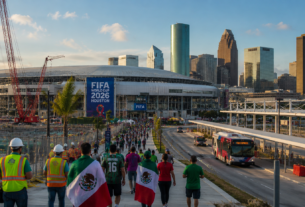
The interview discusses how American cities are preparing to host international visitors during the World Cup and explores the wider global impact of the tournament.
Global Impact Listening Practice
Activity 1 – Listening for Gist (Multiple Choice)
Activity 2 – Listening for Details (Fill in the Blanks)
Activity 3 – True or False
Activity 4 – Listening for Inference
- Why might World Cup visitors choose public transportation more often than regular tourists?
- Why does the speaker believe Philadelphia is prepared for the tournament?
Exploring the Global Impact Further
Global Impact and Economics
Major sporting events can generate significant economic activity through tourism, hospitality and local spending.
Global Impact and Hosting Challenges
Cities must prepare transportation systems, security services and public infrastructure.
Global Impact and Human Rights
International tournaments often raise questions about inclusion, equality and social responsibility.
Global Impact and Sportswashing
Some critics argue that countries use major sporting events to improve their international image.
➡ Sportswashing and the World Cup: Advanced ESL Listening Activities for Critical Thinking
Global Impact Discussion Questions
- Do the benefits of hosting the World Cup outweigh the costs?
- How can cities prepare for millions of visitors?
- Should governments invest public money in major sporting events?
- How can the World Cup influence a country’s international reputation?
- What long-term benefits can host cities gain?
- What challenges do international visitors face?
- Can sport bring different cultures together?
- How important is public transportation during major events?
Conclusion
The World Cup affects much more than football. Its global impact can be seen in tourism, business, transportation, public policy and international reputation. By exploring these topics through authentic listening materials, learners develop not only their English skills but also a deeper understanding of how global events shape modern societies.
🎓 Join Our Free English Teaching Community
Would you like more ready-to-use classroom resources?
Join our free WhatsApp community to receive:
- ✅ Answer Keys
- ✅ Printable classroom materials
- ✅ New listening and dictation lessons
- ✅ Teaching ideas for B2–C2 learners
- ✅ Updates from MyEnglandBlog
👉 Join our free WhatsApp Community here: https://chat.whatsapp.com/Kfpriy6R30qDRntLEDsqH5?
FAQ
What does global impact mean in the context of the World Cup?
Global impact refers to the economic, social, cultural and political effects that the tournament has on countries and cities around the world.
How does the World Cup affect local businesses?
Hotels, restaurants, transportation companies and entertainment venues often benefit from increased tourism during the tournament.
Why is transportation important during the World Cup?
Millions of visitors need safe and efficient ways to travel between stadiums, hotels and city attractions.
What are some challenges of hosting the World Cup?
Common challenges include security, crowd management, infrastructure demands and financial costs.
Why is the World Cup useful for ESL learners?
The tournament provides authentic topics for listening, speaking, reading and critical thinking activities.

3 thoughts on “The Global Impact of the World Cup: ESL Listening Activities and Discussion Topics – C1”